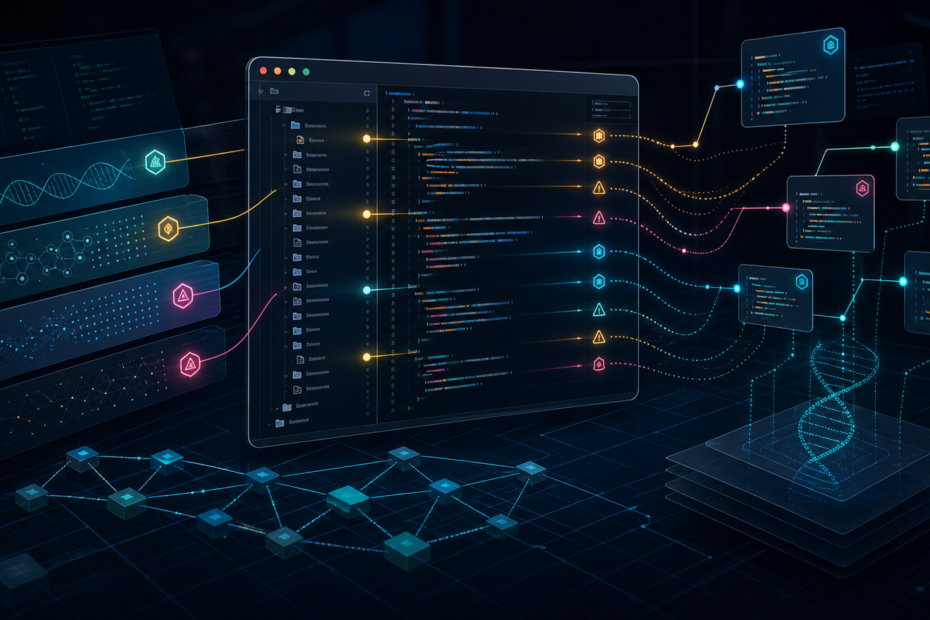
Your AI-Generated Codebase Has an “Epigenome”
A working AI-generated feature can still teach the codebase bad habits. The codebase epigenome is the inherited layer of patterns, assumptions, and constraints future agents copy.
A practical decision guide for founders using Lovable: what you can keep prompting, what deserves engineering review, and when occasional or ongoing support fits.
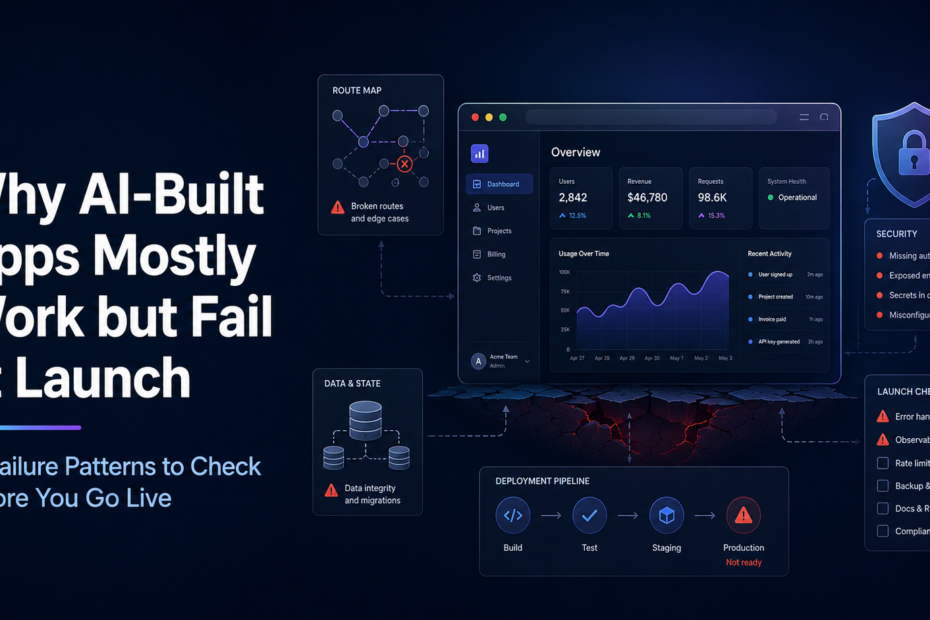
An AI-built prototype can look finished while still carrying launch-blocking risks. Here are the ten patterns I would investigate before letting real users or money into the system.
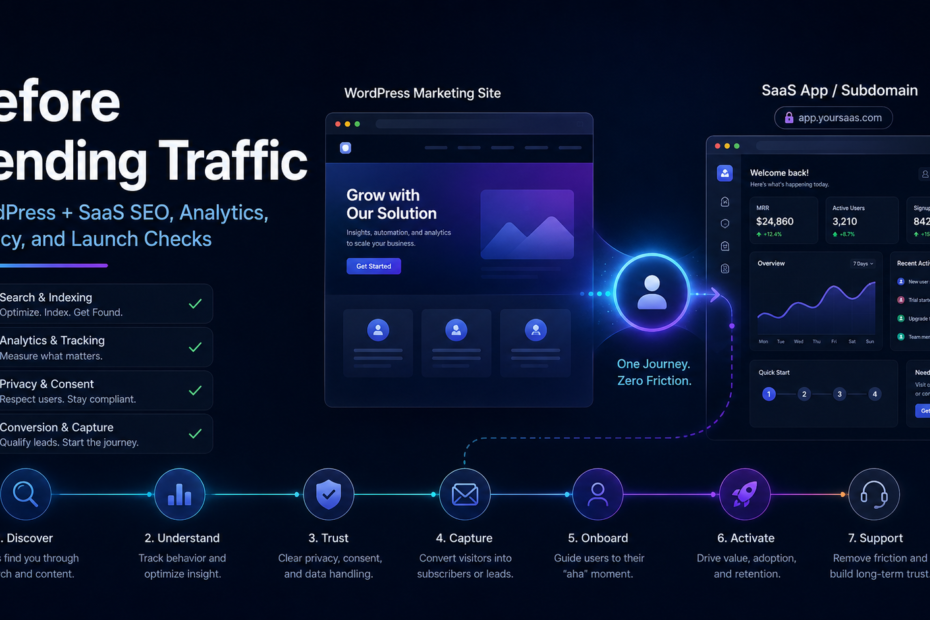
A WordPress site and a separate app can work well together, but only when search, analytics, onboarding, privacy, and support are treated as one user journey.
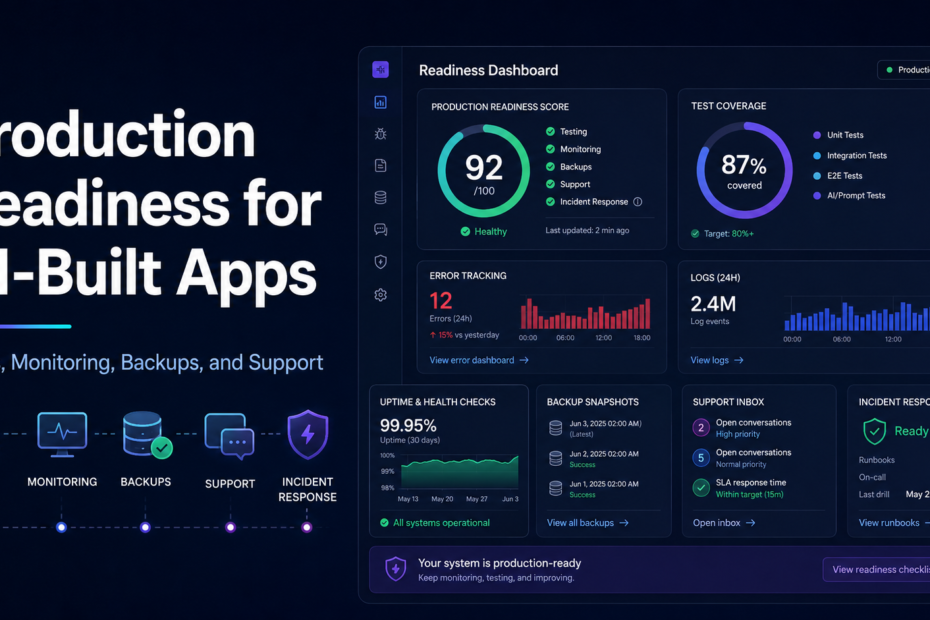
Production readiness is the ability to detect, contain, explain, and recover from failure. Here is the minimum useful system for a solo founder or small team.
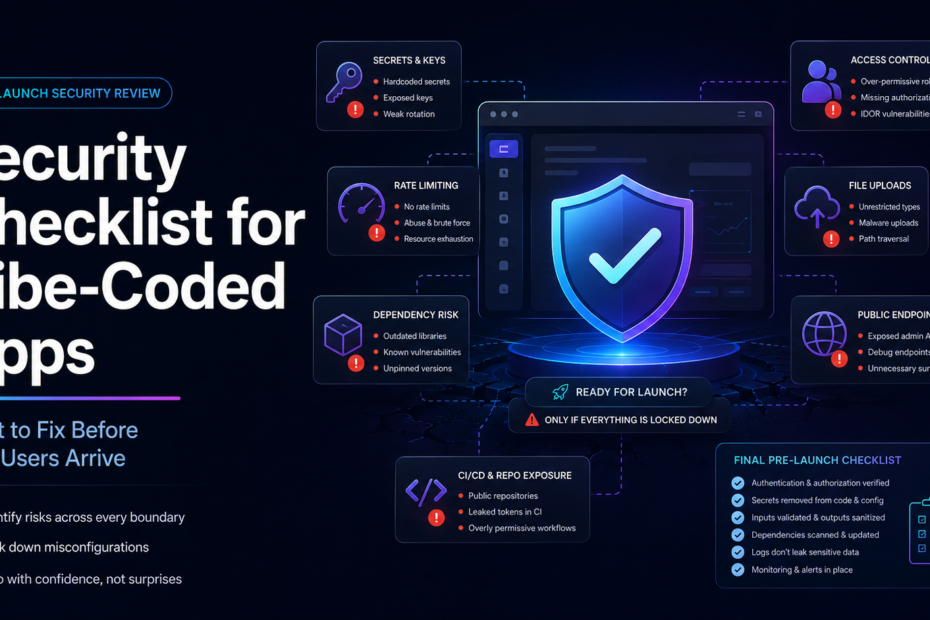
Security failures in AI-built apps are rarely one mysterious hack. They are usually ordinary trust-boundary mistakes shipped faster and repeated across more code paths.
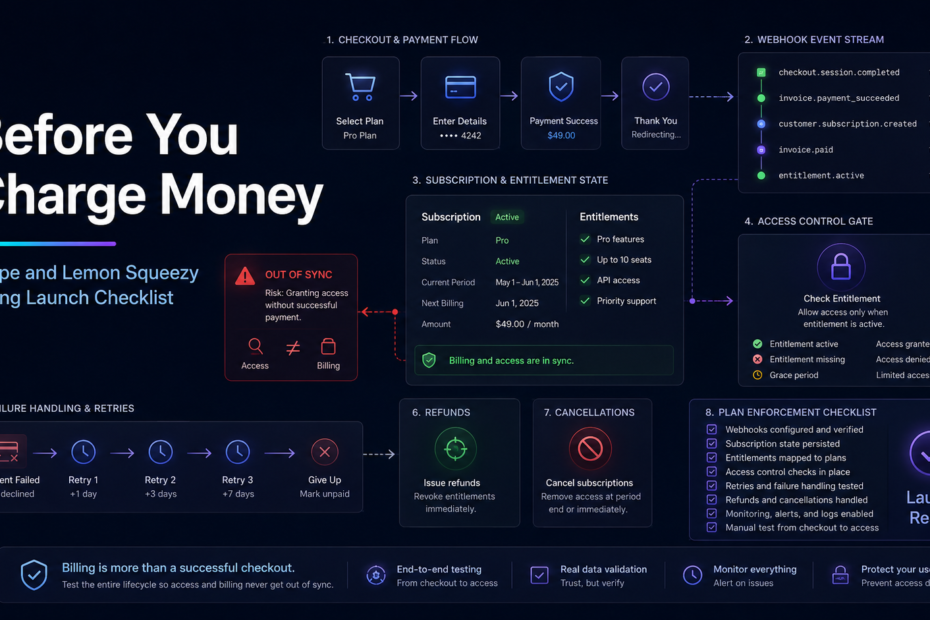
A successful checkout is not a complete billing system. Before charging users, test the asynchronous events and edge cases that decide whether access and money stay in sync.
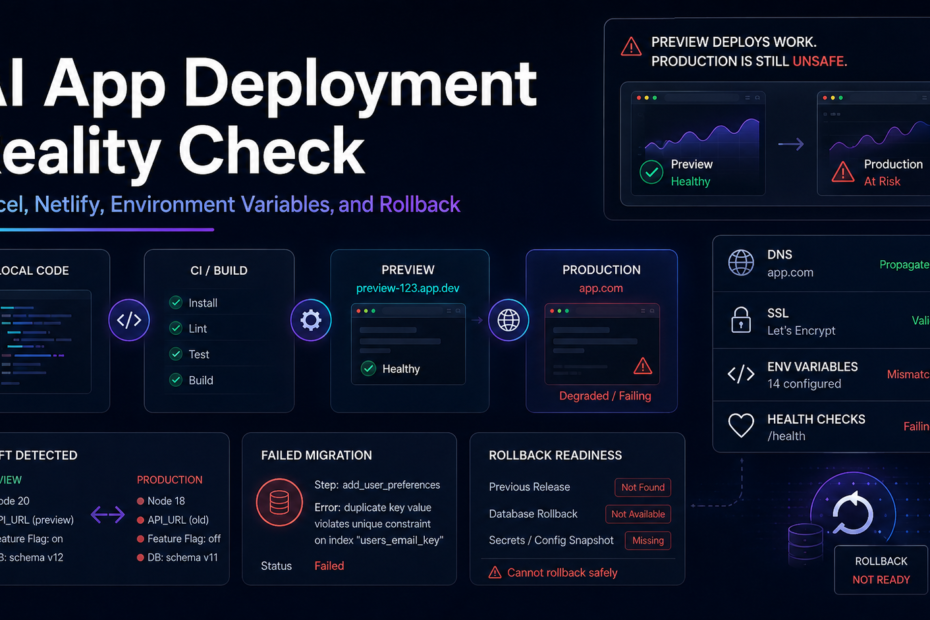
A successful preview URL is not proof of a repeatable production deployment. Use this guide to find environment drift, exposed secrets, build assumptions, migration races, and rollback gaps.
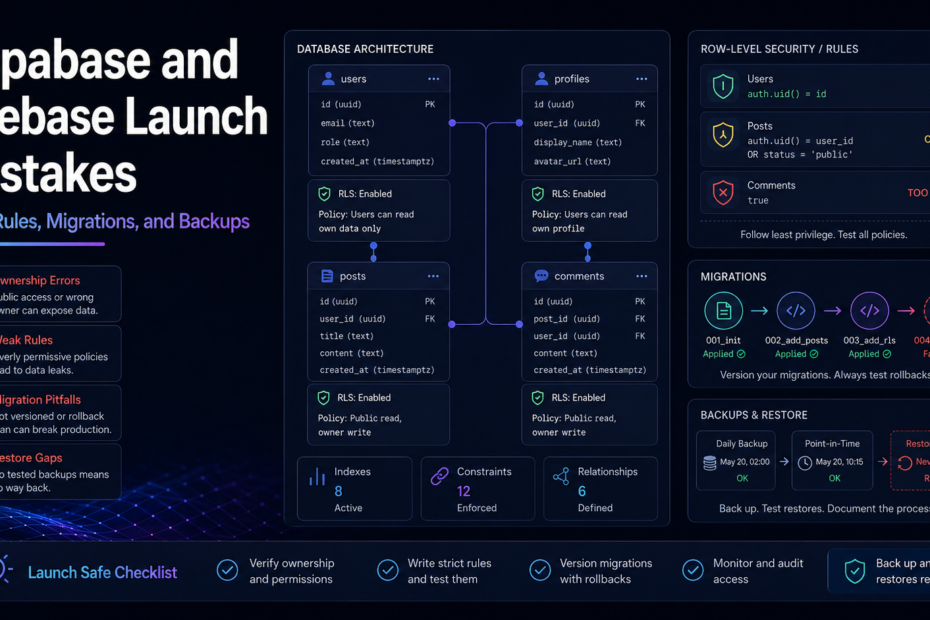
The database is not production-ready just because CRUD works. Before launch, verify who owns every record, whether rules match queries, how schema changes deploy, and whether backups can actually be restored.
A user can be correctly logged in and still be allowed to read or change the wrong data. Here is how to test the boundary that AI-built apps frequently miss.